
From Accra to Tamale. All 16 regions.
Tell your family you want to donate. Then write it down here.
Hopebridge is the book Ghanaians use to record a donor intention. Teaching hospitals look here when they have a case. A doctor still decides, not this website.
What actually happens
- 1You register, name a next of kin, and say which organs you mean.
- 2Someone at Hopebridge checks the record is complete.
- 3A verified hospital, say Korle Bu or Komfo Anokye, opens a case.
- 4The system lists people who might fit. That list is not an approval.
- 5Doctors at the hospital take it from there.
Talk at home first
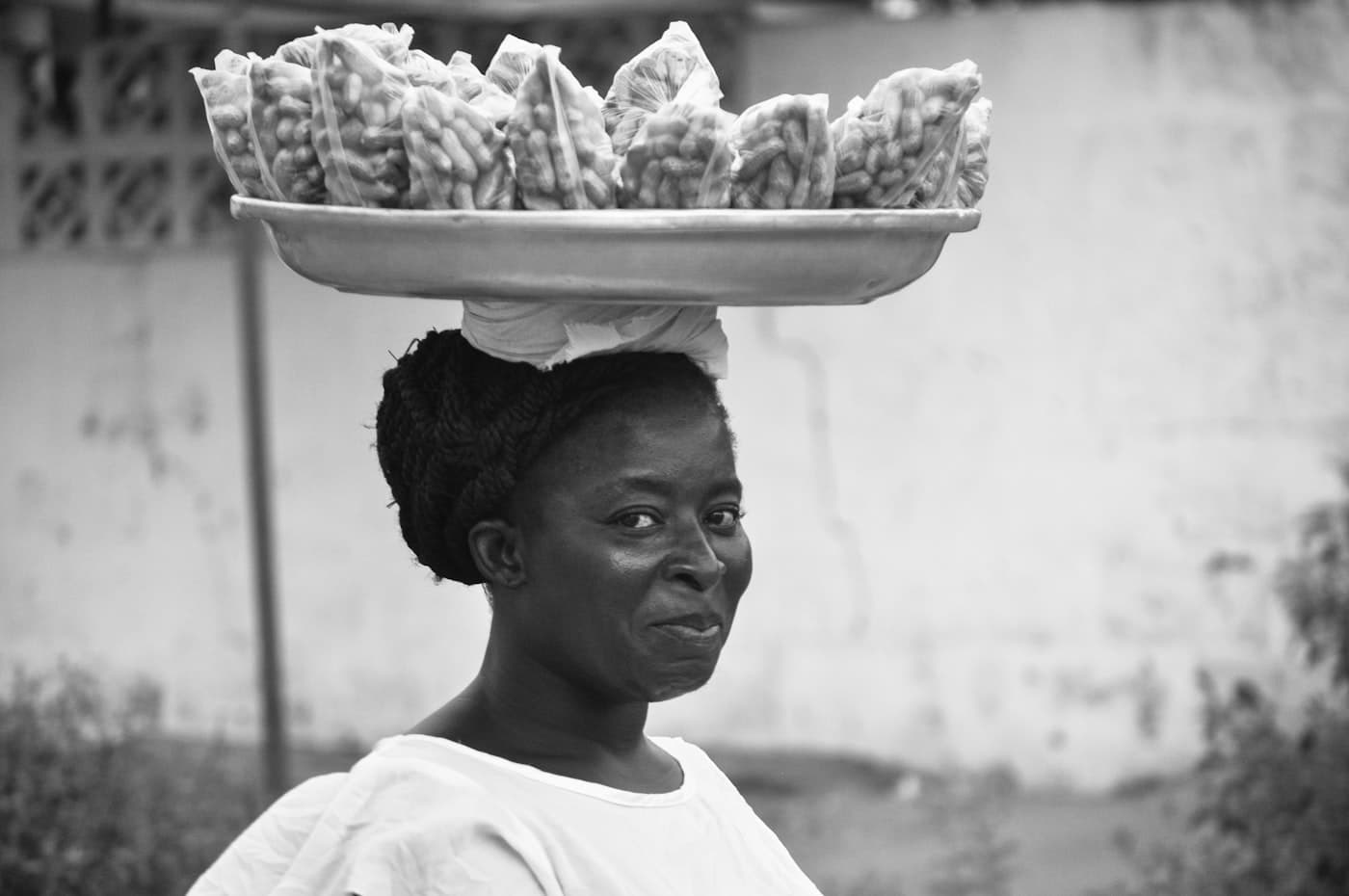
In Ghana the family often has the last word, even if you already said yes. Tell your mother. Tell your husband. Sit with them in Kaneshie or on a call to Wa. Then record it here so the hospital is not starting from a blank page.
What donation means here
Hospitals see a number, not your face
Staff reviewing a case see a reference like HB-D-00012, your region, and an age band. Your name does not go on a public page. Nobody is shopping for organs on this site.
Register a hospital
Why write it down
People wait for kidneys in Accra while a family in Kumasi argues at the bedside because nobody ever said it out loud. A recorded intention does not skip the doctors. It just means your wish is on paper when it matters.